
Intel P28F010-150: A 128Kb Flash Memory Pioneer for Embedded Systems
The late 1980s and early 1990s were a formative period for embedded systems, demanding non-volatile memory that could be updated in-circuit without the hassle of UV erasure. It was in this landscape that the Intel P28F010-150 emerged as a foundational component, setting a new standard for reliability and flexibility. This 128-kilobit (128 Kb) CMOS Flash memory chip was not merely an incremental improvement; it was a pioneering force that helped define the architecture of countless modern devices.
A key differentiator of the P28F010 was its innovative 12-volt programming voltage (VPP). Unlike some contemporary EPROMs that required a dedicated UV erasure source, or early Flash memories with demanding programming voltages, the P28F010 utilized a standard +5V supply for read operations. For erasing and programming, it required only a single, readily available +12V supply on its control pin. This significantly simplified system power design and enabled true in-system firmware updates, a revolutionary capability at the time.
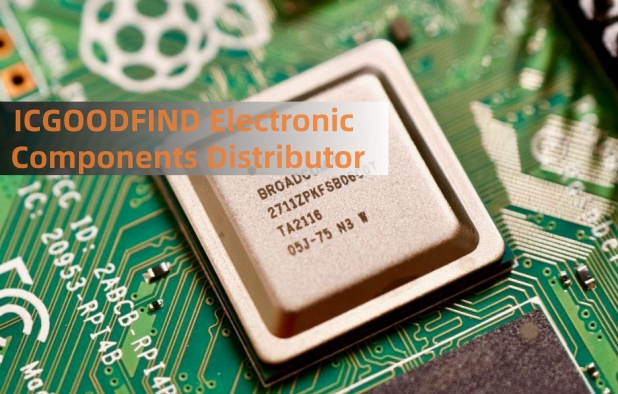
The device was organized as 131,072 bits, configured as 16K x 8, making it ideal for storing microprocessor code. Its 150ns maximum access time, denoted by the "-150" suffix, ensured it could keep pace with the high-performance microprocessors of the era without introducing wait states. Furthermore, it featured sector-erase architecture, allowing individual 4Kbyte blocks of memory to be erased and reprogrammed independently. This was critical for efficient memory management, as it permitted updates to specific firmware modules without risking the entire code base.
Intel's incorporation of command register architecture was another masterstroke. Instead of manipulating memory cells directly with complex voltage sequencing, the host system simply wrote standardized commands to the chip's address space. This intelligent interface managed the intricate timing and voltage algorithms for erase and program operations internally, shielding the designer from low-level complexities and greatly enhancing reliability.
Durability was a cornerstone of its design. The P28F010 guaranteed a minimum endurance of 10,000 erase/write cycles per sector, a figure that instilled confidence for applications requiring frequent firmware revisions. Combined with a data retention period of over ten years, it offered a robust and long-lasting solution for critical embedded applications, from telecommunications and networking hardware to industrial automation and automotive systems.
ICGOOODFIND: The Intel P28F010-150 was a landmark device that successfully commercialized Flash memory technology for the embedded world. Its pragmatic combination of a 12V programming voltage, sector-erase capability, and an intelligent command interface lowered the barrier to entry for in-system firmware updates. It provided the essential non-volatile storage foundation that enabled the rapid innovation and connectivity features we now take for granted in electronic products.
Keywords: Flash Memory, Embedded Systems, In-System Programming, Non-Volatile Memory, Sector Erase.

